Stories

Life told from inside Vaerebro Park

Story opening

The strongest stories in Vaerebro Park are not grand statements. They live in the repeated gestures of neighbors checking in, children claiming familiar paths, and residents turning shared rooms into places that feel unmistakably their own.

This page gathers those patterns as narrative fragments: scenes from courtyards, conversations from common areas, and memories that explain how a housing department becomes a lived community. Each story is grounded in place, but together they show a broader culture of persistence, adaptation, and local care.

Resident stories

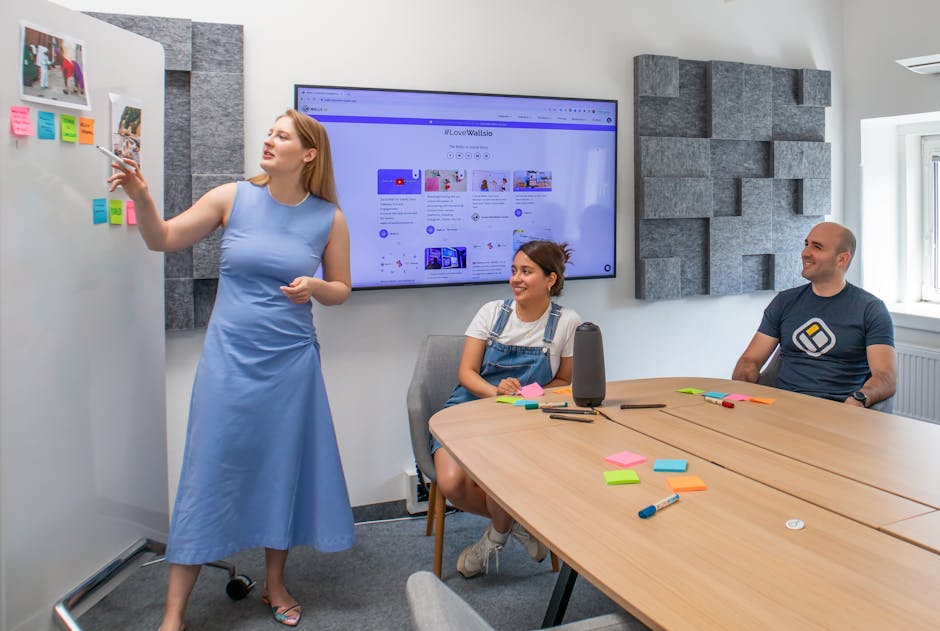
Residents gathered in a shared outdoor space

A courtyard becomes a daily meeting room.

Mornings often begin outside before they begin anywhere else. Parents trade updates, older residents take the long route to extend a conversation, and the first minutes of the day create a kind of local bulletin more trusted than any printed notice.
Community activity taking place between the apartment blocks

Children map the area by instinct.

For younger residents, the neighborhood is remembered as a sequence of turns, benches, stairwells, and shortcuts. Their movement gives the area a pulse and reminds adults that shared space works best when it can hold both safety and spontaneity.
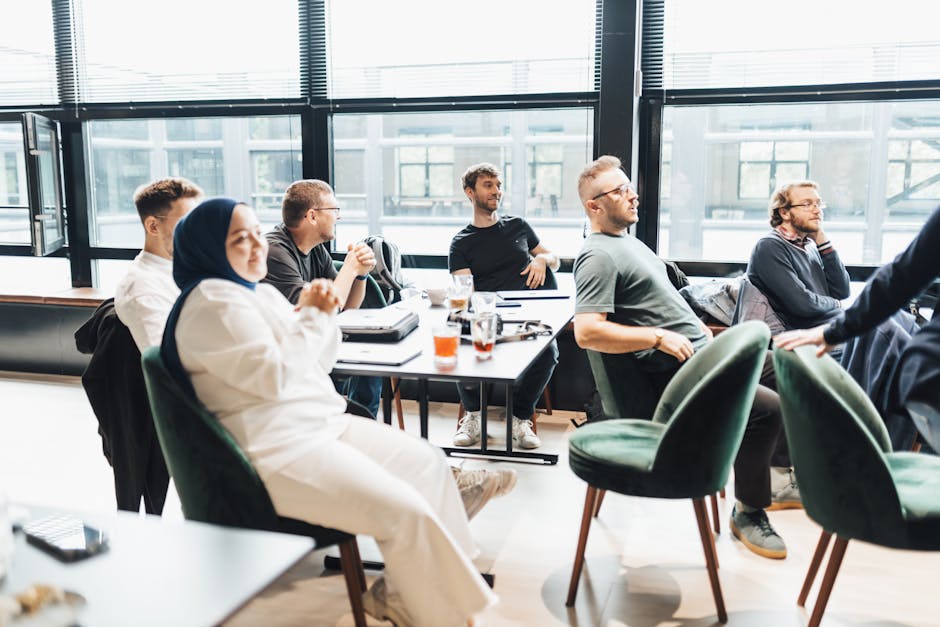
People using a common room for conversation and support

Common rooms carry more than meetings.

Advice about repairs, school schedules, jobs, and family life often starts informally. A room booked for one purpose ends up carrying three others, which is why these spaces matter so much in the social memory of Vaerebro Park.
A resident-focused event or activity in the neighborhood

Small events hold the neighborhood together.

Seasonal gatherings, volunteer afternoons, and practical resident-led events do more than fill a calendar. They create continuity, especially for people who have lived through changes in the buildings, the administration, and the wider public story about the area.

A shared storyline

Morning

Paths fill before schedules do

Early movement through the estate is practical but never only practical. The walk to school, the first cigarette outside, and the quick exchange near an entryway all create a social start to the day.

Afternoon

Shared spaces become flexible spaces

By midday, courtyards and indoor rooms shift function. They carry play, waiting, organizing, and the low-key conversations that allow practical support to move quietly from one resident to another.

Evening

Memory settles into the architecture

The end of the day reveals how much of community life is cumulative. Routines repeated over years make certain corners recognizable not because of design alone, but because of what residents have continually made happen there.

Field notes

“The first hello of the morning usually turns into three more before you reach the next block.”

Courtyard observation

“You can tell which spaces matter because they are the ones people keep repurposing.”

Resident walk-through

“People remember the event, but they really mean the effort it took to make it happen.”

Volunteer debrief

“The area makes sense once you listen to how residents describe it to each other.”

Evening conversation

Story map

Stories cluster around use, not just location.

Residents tend to describe Vaerebro Park through the places where they pause, meet, help, or notice each other. These are not always formal destinations, but they are the points that give the neighborhood its social structure.

Reading the area this way shifts attention from abstract planning to lived experience. The story of the estate is carried by the spaces people return to again and again.

Continue the archive

Share a story fragment

Send a short recollection, a caption, or a note about a place in the neighborhood to help extend the living archive of Vaerebro Park.

Email Mathilde Bech

Meet the people behind the work

Visit the team page to see who supports documentation, resident contact, and the ongoing collection of community stories.

Open team page